How long does Home Aircon Gas last?
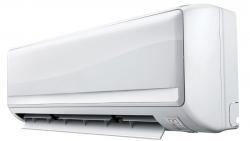
People often neglect or do not remember the need for topping up the aircon gas. This is a crucial thing to remember because your aircon cooling is dependent on gas-filled in it.Most people will agree that installing an Aircon is easy but its maintenance is tough. If you have an aircon installed at your office or home. You might be feeling that it takes more care and attention in order to work efficiently. Despite providing schedule checking, many people complain about the less cooling. This could be due to a shortage of gas in your aircon. This article is bought to you by Aircon Servicing company in Singapore, MCL Aircon. The Lifespan of Aircon Gas The lifespan of aircon gas totally depends on its way of usage. The average life expectancy of high-quality aircon, gas is 10+ years. Again, the given time can be less or more dependent on its usage. The most, important reason for the gas reduction is its mechanism. The compressor and associated coils are hermetically sealed in the aircon. If the compressor gets damaged due to any external force. There will be a chance of gas leakage, which runs continuously without any noise. The lifespan of Branded Aircon’s Gas: If you have purchased a branded, good quality aircon, you need not worry about its gas. Every brand offers 10-15 average years of life expectancy subject to its usage and care. If you take proper care and maintenance of the air-conditioning system, the lifespan can go up to 2 decades. Poor maintenance and negligence can reduce the lifespan of aircon gas to 5-10 years. The lifespan of Non-Branded Aircon’s Gas: Those brands which are cheap in price, offered with less than 3 Star rating have a low life expectancy. These aircons can show flaws at any time. Poor quality build parts reduce the lifespan of gas too. Gas in these types of aircon works efficiently up to 5-7 years depending on their usage and maintenance. You may need refilling the aircon gas within 5 years if not handled properly. Tips to increase the Aircon gas lifespan Choosing a reputed brand over cheap brands guarantees you prolong the life of your aircon gas. Aircons set at a place where they get direct sunlight increases the chances of gas reduction due to excess heat. Make sure your aircon is away from direct sunlight. Try to put a cover on the condenser in the fall and winter months to reduce the debris build-up. Good quaily compressor is helpful in increasing the aircon gas lifespan. Schedule maintenance of the aircon is necessary, ask your aircon service provider to check the gas of aircon while servicing. 2. Primary signs of Aircon Gas Requirement There is no way to check the level of refrigerant (gas) in your air conditioning system without a professional, but there are definitely some signs that indicate the need for a system check. Reduction in cooling capacity: The first sign that indicated the gas refilling need is less cooling. You may notice that the air is not blowing as cold as it was before or is not blowing cold air at all. When aircon runs with less gas, their cooling efficiency reduces drastically e.g., earlier your preferred temperature was 24 degrees. But suddenly you don’t feel comfortable with that temperature and start setting the aircon temperature to below 24. Water leakage: Water leakage is another sign of gas shortage in aircon. When there is a gas shortage in the aircon, vaporization does not happen properly. The incomplete vaporization turns into water leakage. If you do not treat it immediately, the water leakage can go heavy. Wear and Tear: If any kind of wear and tear happens with your aircon due to internal or external force. You may need to consider it checked by an aircon expert. Sometimes the damages are not big, but the gas leakage happens very silently that you cannot even notice. You get to know about it only when the entire gas gets wasted in the air. Takes more time to cool: A very common indication of gas refilling need is increased time in the aircon cooling. E.g., your aircon usually takes 20 minutes to cool the room at a temperature of 24 degrees. But sudden it takes 30-40 minutes to cool the same room. This indicates that your aircon needs sincere maintenance without any negligence. High energy consumption: When the gas level gets low in the airconditioner your monthly electricity bill increases. If your AC is low on refrigerant, it can’t absorb as much heat from your home. And that leads to air conditioner running nonstop, increasing your power consumption. If you are not sure in the first month. Notice the electricity bill of 2-3 months. If you see continuous increases in the bill. It’s time to hire an aircon service expert. Hissing/bubbling noise: In most cases, refrigerant leaks are silent in nature because they’re pretty small. But if there is a large leak in your air conditioning system then you will hear a continuous hissing or bubbling sound when it’s running. 3. Conclusion Air conditioners are complicated machines. Checking your air conditioner is necessary to know about the gas leakage. If you do not call a professional and unintentionally did add more gas in aircon, you’d regret it because the leak will allow the refrigerant to escape again. Also, your AC will not work efficiently and eventually become damaged due to an excess amount of gas. MCL Aircon is a Singapore based Aircon Servicing company with qualified technicians. We can take care of your aircon servicing needs. Please book your aircon general service now. Book General Aircon Servicing with us now or call / Whatsapp us @ +65 9450 9801 for arranging aircon servicing for your home.
All you need to know about Portable Air Conditioners in Singapore
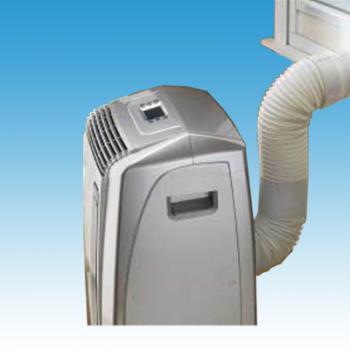
Air conditioners are typically fixed and cannot be moved without dismantling. Portable air conditioners can be moved with relative ease. They have a small footprint – a portable air conditioner’s length, breadth, and height are typically within a meter. Attached caster wheels facilitate effortless movement. The portable AC is a boon for those who cannot buy a fixed AC due to structural limitations or lack of permission to install an AC. The portable AC sits at one corner of the room and gets the cooling job done. MCL Aircon, a Singapore based aircon service company brings you this article which covers A to Z about portable Acs. Where does the heat go? An AC is a heat pump. It removes heat from the room and vents it off to the atmosphere. There must be a mechanism for heat to be pumped out. Portable ACs use a hose to remove heat. The hose is detachable and must be fixed to the unit before the aircon can be used. The other end of the tube is typically attached to a window, and insulation is provided so that stray air or heat cannot enter the room. Getting the air conditioner ready for use The Window Attachment Any leakage of air at the point where the exhaust duct is connected would lead to loss of cooling. The window attachment needs some effort, especially if the dimensions are large. You need a piece of insulating material like wood and cut a hole into it. The hole should be appropriately sized as per the diameter of the hose pipe. Once you have the attachment and the hose is fitted to the window, you’re good to go. Portability with the window attachment You need to attach the hose to an outlet wherever you want to use the air conditioner. You may buy the hose mounting structure individually for each room where you plan to use the aircon. Once the outlets are ready, the AC becomes portable. Electrical socket A portable AC could range from anywhere between 0.75 tons to 1.5 tons. Both these capacities require significant power. You need a large size electrical socket to be present in every room where the AC goes. The outlet should be rated at a high current capacity and be within reach of the wire. Operating the Air Conditioner Once the air conditioner has been fixed, it can be turned on using the on-board panel or a remote controller, if provided. Most portable air conditioners offer essential functions like air swing, temperature display, sleep, timer functions, and remote control. Water Tank The water tank is unique to the portable air conditioner. The aircon removes both heat and moisture. While the heat is vented off to the atmosphere using the hose, the moisture condenses and collects into a water tank that needs to be emptied. The water collected in the tank depends on the humidity and number of hours of operation. The two factors, along with the capacity of the water tank, determine how frequently you shall be required to empty it. Portable air conditioners come with an audio/visual alert to indicate a full water tank. You should ideally empty the tank when you get that indication. If the tank is equipped with overflow protection, the AC may stop temporarily until you empty the tank. When should I consider buying a portable air conditioner? Portable ACs are best suited for people who move around frequently. Specific job roles require the individual to be in different places for small stints. Transporting a regular window or split air conditioner may be an option but that requires professionals for installation and removal. This is where the portable air conditioner steps in. Portable ACs are built with a small footprint, and the hose and power cable are detachable, making transport easier. Caster wheels allow the aircon to be moved around like luggage, and it can be conveniently transported to a different place. If you move around regularly and use the air conditioner, in some time, you shall build the skill of getting the hose mounted yourself. It is not necessary to install the hose. If you can suspend the hose out of the window and somehow insulate the gap, it may work as a temporary arrangement. However, it is advisable to carry material with which you can have a more lasting solution. Temporary workaround You’ve driven to a new city and have carried the aircon with you, but you cannot figure out an immediate solution to fix it. One temporary fix is to let the hose vent into the bathroom. Even if the door is ajar, bathrooms have windows at height or have an exhaust fan. Heat rises. Either of these two can help you use the portable AC on the very same day you occupied a new place. Pros and Cons of portable air conditioners Pros: Portable Lightweight Easy installation No need to make structural changes (drilling holes, cutting wooden fixtures, etc.) Beneficial for those who move frequently Extremely useful for rented accommodations where structural changes are not permitted No need for gas recharge upon movement (unlike split aircon units) Cons: Not a lot of variety available in the market Significantly higher power consumption than traditional units (weight reduction means less sophisticated technology) Need to drain the water pan is an overhead Water overflow protection may switch off the AC May not be available in capacities over 1.5 ton Conclusion Portable air conditioners are a boon for roaming individuals or families. After movement, it is possible to get the AC working immediately or in a few days. The ability to move it means lesser capital investment. One unit can be reused as required. The hose connectors are a one time fix and maybe a do-it-yourself project for some while others may require professional help. Portable aircon units have higher energy consumption than window or wall-mounted units of the same capacity. Emptying the water tank may seem to be a bothersome task but is one that hardly takes time or much effort. Portable aircons are available
An in-depth look into Air Conditioner Features

Air conditioners are a blessing. Without these marvelous appliances, life would have been so much more difficult. Due to reduced prices, air conditioners are witnessing huge demand and are finding their way into the lives of middle-class families. An air conditioner that provides essential cooling, but no fancy features may not be acceptable to all users. There are a lot of features that manufacturers offer. Some of them add immensely to the comfort and convenience, while others may be marketing gimmicks meant to compete with another manufacturer. MCL Aircon, Aircon servicing company based in Singapore, present to you a detailed list of features provided by modern air conditioners. Feature List Economy Mode: This, as the name suggests, is meant for a better energy economy. The air conditioner consumes significantly less power and hence provides lesser cooling capacity. This feature may be used at any time. However, the best time this feature comes handy is when there is a power cut, and you’re running the aircon on a generator, or peak electricity pricing is in effect. Using economy mode cuts down energy consumption, which may help you manage the electrical load. Quiet Operation: The noise produced by the indoor unit’s blower may be bothersome in certain situations like studying or attending a meeting. Quiet operation slows the speed of the blower. Less speed produces a significantly reduced noise level. Air Filter: The air in your room may have a lot of dust and allergy-causing particles. This situation is rectified using air filters. The air filter is placed in front of the evaporator coil. The cold air coming from the evaporator coil is cleaned when it passes through the air filter before being circulated to your room. Filters come in different variants according to the size of particles they can filter. PM2.5 (Particulate Matter 2.5 microns) are tiny particles that may travel deep into the lungs, eyes, and throat, causing irritation. Filters are rated up to 0.1 microns. Specialized filters called HEPA (High-Efficiency Particulate Air) may remove the odor inside the room. Antimicrobial System: Many aircons have an antimicrobial system built it. It is usually part of the filtration system. The filters have a coating of silver or other nanoparticles that can neutralize these pathogens. ACs with antimicrobial filters are especially useful for infants’ and kids’ rooms. Human Sensing / Intelligent Eye: Aircons built with a human-sensing mechanism use built-in infrared sensors to detect whether the room is vacant. Human body emits heat, which is recognized by these sensors. If the room is vacant, the aircon reduces cooling to decrease power consumption. Conversely, if there is a significant infrared signature in the room (many individuals), the aircon may increase cooling to compensate for the extra heat being produced in the room. Self-Diagnosis: An air conditioner could stop functioning if any significant component is faulty or malfunctioning. The self-diagnosis feature uses a set of sensors to detect which part is defective and indicates an error code that can be used to pinpoint failure. Low Refrigerant Detection: This is a type of self-diagnosis feature. The refrigerant inside the AC system needs to be at an adequate pressure for the unit to function correctly. If refrigerant level drops due to a leak, pressure sensors inside the system indicate loss of refrigerant. This feature can prevent wear and tear to the system by facilitating early maintenance. Coanda Airflow/3D Airflow: You may not like a draft of air hitting you directly. 3D airflow indicates that the air conditioner blows air uniformly in all directions. Typically, 3D airflow is characteristic of cassette air conditioners. Coanda airflow is used in Daikin air conditioners, where the unit blows air upward. Since heat rises upward, the cold air displaces it, and relatively heated air rises up. This leads to a uniform cooling effect. Power Chill: It takes a few minutes after switching on the aircon before the temperature inside a room stabilizes. Power chill (named different by manufacturers) is a feature that runs the AC compressor at its maximum speed. This feature is very effective in the case of inverter ACs. Since the inverter AC can cool beyond its rated capacity for a small duration, the power chill feature can be used to decrease the amount of time it takes to stabilize the temperature. Anti-Corrosion Treatment: The components in an AC may be treated with chemicals that form an anti-corrosive layer. This layer protects the core components. It is useful in areas with perennial high humidity. Air-Swing: ACs that support the swing function have horizontal and vertical louvers that move and distribute the air in the left-right and up-down directions. Mosquito-Away: Mosquitoes can create a lot of nuisance and deadly diseases. Air conditioners built with the mosquito-away feature use ultrasonic soundwaves that repel the mosquitoes from the room. Humans can’t hear ultrasonic frequencies. You won’t hear a sound but will get free of mosquitoes. Hot and Cold: Some air conditioners are built specifically for areas that have extreme temperatures. Some air conditioners offer both cooling and heating. Since the AC is essentially a heat-pump transferring heat from one place to the other, a cycle reversal causes it to heat the room. Hot and cold ACs take care of the sweltering summers and chilling winters. Smart Control Features: Modern appliances are incomplete if they don’t speak about Wi-Fi and the Internet. Smart air conditioners may have a built-in Wi-Fi feature that facilitates operating the aircon with a smartphone app. No more dead remote batteries or lost remotes. Along the same lines, ACs come with in-built Alexa integration. Alexa is Amazon’s voice-controlled smart assistant. Once paired with the AC, you could use voice control to instruct Alexa to set the temperature on the AC. Stabilizer Free Operation: Air conditioners are more resilient against voltage fluctuations. Heavy-duty components and in-built protection mechanisms negate the need for a stabilizer. This reduces the need to buy a separate appliance. It saves cost and space. Colors and Graphics: Manufacturers have been paying a lot of attention to the colors and looks of the air conditioner. While most aircons are sold in
Inverter Air Conditioners – The next generation of ACs
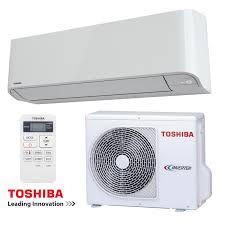
For an average household, the air conditioner is probably the most significant contributor to the power bills in the summer season. ACs are wonderful appliances that bring instant comfort, and once we get used to them, there’s no going back. The inverter AC is a recent advancement in air conditioning technology that allows for a significant gain in efficiency. This is a technology that has been recently implemented in the air conditioner segment. MCL Aircon, An AC Service company bringin you this details nformation on Inverter ACs. It is usual for residents of tropical countries to use the AC upwards of 12 hours a day. Given the massive power consumption of the aircon, the efficiency of the unit is of paramount importance. Air conditioners are a global driver of the peak power consumption pattern. AC manufacturers across the world spend a lot of money to facilitate an increase in efficiency. Governments across the globe revise aircon efficiency norms periodically, and manufacturers must comply with these regulations. The AC would see a much broader adoption if, somehow, the cost of running is reduced because most people do not have a problem with the initial cost of the air conditioner. It is the high utility bill that pinches the pocket. This is where the inverter air conditioner comes in. The “inverter” is an advanced electrical component that comes inbuilt with the new generation of air conditioners. This inverter helps drastically reduce the power consumption of the AC by allowing it to run at different capacity levels. This device is similar to a ceiling fan’s speed regulator. Understand more on the differences between inverter and non-inverter here The question that follows is – how does running an air conditioner at different capacity reduce power consumption? Consider the case of a ceiling fan The ceiling fan is ubiquitous in almost all tropical countries. The fan speed can be adjusted using the regulator. Once the desired speed is set, the surroundings are comfortable. What if your fan’s regulator broke down and the fan can remain either ON or OFF? Either you would have to bear the discomfort of one of these two states, or you could turn it OFF or ON as required, which is a discomfort. The non-inverter air conditioner can operate only in two states – either ON or OFF, whereas the inverter AC has a regulator that can alter the speed of the compressor and other components to keep the room at a consistent temperature. Speed Variability If some appliance is ON, it consumes its rated (full) power. That’s how the traditional AC works. When the compressor is running, the AC is effectively cooling the room at its designed cooling capacity. Once the set temperature is reached, the AC compressor cuts off, only to switch on again once the room gets heated. The inverter is a component that controls the speed of the compressor. It can slow down the compressor to about 25% of its rated capacity or speed it up by 25% in case of a rapid cooling requirement. Using the inverter, the AC’s compressor can work continuously as per the set temperature without turning ON and OFF frequently. That’s how it saves power and delivers consistent cooling for a more comfortable environment. How does continuous running help save power? 1. The air conditioner needs a huge amount of current to start up the compressor. A traditional AC does that hundreds of times in a day. This increases energy consumption. 2. A non-inverter AC works at its rated capacity. It may overcool the surroundings causing discomfort and increased power consumption. It is common for people to increase the set temperature by one or two degrees once the aircon has been running for about half an hour. 3. When the compressor in a traditional AC turns off, the gas (refrigerant) in the system loses pressure, and the compressor is no longer at its operating temperature (the compressor cools down). Once the compressor stars again, it heats up, consuming energy. The gas needs to be pressurized and circulated once again. That’s where the traditional AC falls behind the inverter AC. 4. A continuously running set of parts moving at a constant speed are more efficient than a set that has parts with fluctuating speed. The car is one of the good examples of this. Your vehicle returns better mileage (higher efficiency) when it is cruising on a highway as compared to a road where you must brake and accelerate repeatedly. How much can I save using an inverter AC? The energy savings depend on the model of the AC and the manufacturer. More efficient ACs are generally high priced. AC power consumption also depends on the ambient temperature, humidity, temperature setting, age, number of people present in the room, among many other factors. Considering every aspect, on average, you can consider energy savings of up to 30% when compared to a traditional aircon. Given that a well-maintained aircon easily lasts 8-10 years, you would save a massive amount of money and, at the same time, save a lot of electricity. Regularly maintained and serviced by a reputed aircon service company will enhance these benefits. Is the price premium of an inverter AC justified? The price premium is more than justified. We’ll help you with a general calculation. A 1-ton, 2-star rated air conditioner typically consumes 800 units of electricity annually, whereas an inverter AC (which is usually four or 5-star rated) consumes about 550 units of electricity. Your annual electricity savings: 250 units Considering that you use the air conditioner for eight years, you would save 250 * 8 = 2000 units of electricity. It is our understanding that in most countries, 2000 units of electricity would cost more than the price difference between an inverter and a non-inverter AC. If you still think that 2000 units would come close but not provide real value, also consider the following facts: Peak pricing – electricity consumed during peak
Different Types of Air Conditioners in Singapore
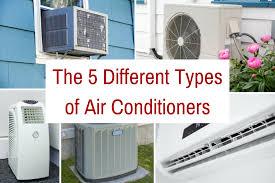
Air conditioning requirements across the world are increasing at a significant rate. An increase in temperature, heatwaves, and unpredictable weather is one driver for the high demand. An increase in energy efficiency and affordability is the primary demand driver. Individual requirements vary extensively, and manufacturers are innovating rapidly. To cater to the varied requirements of home-owners, the manufacturers have made available a wide variety of air conditioners. Common Air Conditioning Systems For homes, the following are the most prevalent types of air conditioners Window AC Single Split Ductless AC Multiple Split Ductless AC Cassette AC Ducted AC system Portable AC Floor Standing AC, and Central Air Conditioning We shall now proceed to compare the individual aircon systems and uncover how they are different from their counterparts. Air conditioning systems – Deep dive For an average home, the choice of an air conditioner depends on budget, ease of installation, area of the house, portability requirement, and certain other factors that we shall cover in the individual sections. 1. Window Air Conditioner The Window AC derives its name from where it gets installed – on a window. Buying an AC is a decision often taken much later than the construction of the house. Aircons need space. During construction, there may not be a planned space dedicated to AC fitment. The most comfortable choice is window aircon. It is often the simplest and among the cheapest air conditioners available. The window AC is a single unit that needs to be secured to the window. The only separate part in a window AC box is the remote controller. Installation is easy compared to other aircons. The unit needs to be slide across the window opening and secured to the window or wall. There may be a size difference between the AC unit and the window. That excess needs to be closed. It is closed using heat-insulating materials like wood. Aircon service for these types of aircon is very easy, provided there is enough space in the room to dismantle and clean is. Noteworthy Considerations: The window AC is a compact single unit and does not require complicated installation After installation, all you need is a power socket Cost-effective – Often the cheapest when compared to other kinds of ACs of the same capacity Capacity – Typically available from 0.75 tons (9000 BTU/hour) to 2 tons (24000 BTU/hour) Low capacity AC availability for tiny rooms Easier and cheaper maintenance. Dismantling for transport is very easy. No loss of refrigerant during transport Aircon servicing is relatively easy 2. Single Split Ductless Air Conditioner The split ductless AC is the most popular variant opted by households. The AC is “split” into two components – the indoor unit and outdoor unit. The outdoor unit (ODU) is the condenser unit that contains the compressor and a heat exchanging coil. It is mounted outside the house premises. The outdoor unit needs to be in the open air to function correctly. It can be installed on the wall or attached to the ground. The indoor unit (IDU) has a coil that cools down and extracts heat from your room. The indoor unit is wall-mounted at the height of at least 8-9 feet from the floor. This ensures that it does not consume usage space in your room. The indoor and outdoor units are connected through pipes that carry the refrigerant. The installation comprises mounting the indoor and outdoor units and connecting the pipes. Once the technicians confirm that the units have been installed correctly, they fill refrigerant in the system. Manufacturers provide a long list of features – horizontal and vertical swing, sleep tracking, automatic temperature adjustment (often called comfort mode), mosquito repellant system, air filtering systems, and many more. Today’s smart split AC comes with built-in Wi-Fi and can be controlled using a mobile phone or a smart assistant like Alexa or Google Home. Heat-Pump: There are split units that have both cooling and heating facility. Since the AC is a heat pump, if the flow is reversed, the indoor unit acts as a heater. Such dual-purpose units serve well in areas that have extreme temperatures throughout the year. . Aircon service for these types of aircon is moderatly easy, provided there is access to the compressor unit. Noteworthy Considerations: The split AC has two units and a pipe system Installation is relatively complicated – drilling holes to setup pipes, setting the wastewater drain pipe Cost– Initial cost is higher than window aircons Split AC does not consume the floor area Capacity – Typically available from 1 ton (12000 BTU/hour) to 3 tons (36000 BTU/hour) High capacity split AC can effectively cool a large hall Available with fancy features The maintenance requirement is higher than window AC Complete loss of refrigerant during transport Aircon servicing complexity depends on the location of the compressor 3. Multiple Split Ductless Air Conditioner It is like the single split AC in all aspects except that it has one condenser unit driving all the indoor units. Indoor units of different capacities can be used in different rooms as per the cooling requirement. The condenser unit consumes energy according to the number of indoor units switched ON and their temperature setting. The multiple split system negates the need for having a separate outdoor unit for every indoor unit. This reduces space requirements and saves on cost. The ductless multi-split AC system can start from a two-unit (two indoor units) system. Bigger models can support up to five units. Home users should plan the construction or renovation of their housekeeping into consideration the fixture points and piping requirements if they intend to have a multi-split AC system installed. . Aircon service for these types of aircon is very easy, provided there is enough space in the room to dismantle and clean is. Noteworthy Considerations: Cost– Lower cost when compared to single split AC for every individual room Lower floor area requirement to mount the outdoor unit Capacity – The capacity of the condenser depends on how many units it supports and their respective tonnage
Which Aircon to buy between Daikin and Mitsubishi in Singapore?
Buying a brand new Aircon appliance is not as simple task as people think. It includes lots of research, identifying requirement needs, taking opinions, reviews, and so on. Things become difficult especially for first-time buyers who do not want to get lured in the Aircon store by purchasing something that will not long-lasting. Many good as well as cheap brands, are available in the market, out of them Daikin and Mitsubishi are two highly popular air conditioning brands. But how to decide which one is better for you? MCL, Singapore aircon service 1. Features that every Aircon brand must have The first thing every person knows is cooling. But there is much more than cooling that you need to consider. An average person may not be aware of some technical basic things that an aircon should have. Those technical things are listed below: Tonnage: Tonnage is the cooling capacity of Aircon. Aircons with many kinds of tonnage capacities are available in the market but you need to decide which one fits best for you, after all, you do not want to waste money on things that you don’t even need. Get detailed information about your tonnage requirements at “Understanding Tonnage of Air Conditioning” Condenser: Condenser is the main component of what the future cost of your aircon depends. Mainly two types of condensers being used by every aircon manufacturer. One is aluminum condensers and the second one is the copper condenser. Going with a brand that provides copper condenser and coil in aircon will be the best future cost-saving idea for you. Rating: Most of the people know about this. But don’t know the meaning of tick rating displaying on the aircon. The tick rating on aircon is mainly depended on Energy efficiency. So, if you purchasing an Aircon with 4 tick rating that means that it is more energy efficient than 3 tick rating aircon. Always prefer buying aircon that has at least 3 or more than 3 ratings. Energy efficiency: What if you get an aircon in cheap but your monthly electricity bill is always on fire. It happens with people who end up purchasing low quality and low energy efficiency Aircons. Aircon needs more electricity to run. The monthly bill goes up after aircon installation but air conditioners who are not well designed to save electricity make the situation worse. Maintenance and cost: Your Aircon needs proper maintained and care. You just can’t ignore that. If done you will see a sudden hike in your bills as well as more damage to Aircon. Aircons are highly mechanical appliance so it needs more care. Ask from your dealer about the Aircon maintenance requirement information e.g. when the maintenance needed? How to check about maintenance requirement etc. Must read: 5 Must-Know Factors You Need to Consider Before Buying an Air conditioner 2. Benefits and features you Get with Daikin Aircons Daikin is a Japanese air conditioning company, providing reliable and safe air-conditioning solutions to beat extreme heat in your room. In fact, Daikin was the first company in Japan to offer air conditioning systems. With a primary focus on the air-conditioning, Daikin operates in more than 150 countries. Its network is very wide. 3D Coanda Airflow: The most essential feature that comes with Daikin Ac is 3D Coanda Airflow. That means you can get cool air not only horizontal (Up + down) but also vertical (left + right) form. This increases the Daikin aircon efficiency to gives cooling in all four directions. Cooling and Heating: Daikin Dual-Comfort series Aircon comes with this technology. Before that, Aircon seems to be used only for cooling but Daikin dared to get some innovation. Dual comfort series AC can down the temperature to make the room cool as well as heat the room in winter up to a comfortable level. Power Chill Mode: Power chill mode of Daikin Aircons are made to give instant cooling. Where other Aircons companies take almost 30 minutes to completely cool a room. Daikin does that in just 15 minutes. In power chill mode Daikin starts cooling the room at double speed. The power chill mode was developed exactly for this. Streamer Discharge Technology: Daikin ACs comes with a Streamer Discharge technology with 4-layer filters to filter out most of the dust, allergens, pollutants, and odor-causing bacteria. This contributes to better hygiene in the room. Filtering out the air increases air quality. Copper Condenser: Daikin uses copper condenser in all of its aircon. This makes Daikin more reliable and suitable for long term AC requirements. Copper condenser works better than other condensers. Copper condensers help in saving electricity and reducing the bill. Stabilizer-free Operation: As you, all know electricity fluctuation can damage your aircon if it’s not capable of handling the fluctuation. Either you purchase a stabilizer with Ac and pay more money or you can simply use Daikin Aircon. They come with inbuilt stabilizers. This makes you tension free about power fluctuation. Heat pump technology: A heat pump is an energy-saving technology that conveys already present heat without the need for generating heat. Heat pump controls temperature by transferring heat. In “Daikin heat pump technology” heating is performed by the transfer of heat from outdoors to inside the room, thus only a little electricity is necessary. This provides energy savings. R-32 Next-generation: R-32 is a next-generation Daikin aircon technology that efficiently carries heat and has a lower environmental impact. R-32 efficiently conveys heat and can reduce electricity consumption by up to approximately 10% compared to that of air conditioners using technology R-22. Must read: Energy efficient air conditioners explained 3. Problems and Disadvantages with Daikin Aircon The power operating temperature of 46oC: Some models from Daikin aircon have limitation in the operating temperature up to 46oC which make them ineffective in peak summers in some cities with high temperatures. Non-availability of windows AC: Daikin does not make Window AC. This makes those customers sad who wants to install the window AC of Daikin Brand. Daikin only makes an inverter
How replacing Normal bulbs with LED bulbs will increase your energy bills saving?
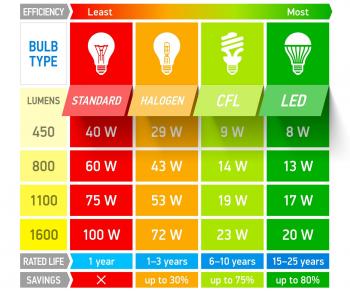
Tired of getting dim, fluctuated lighting in your bedroom, drawing room, office sitting and still getting an immense amount of bill each month? If you feel answering yes, you need to change your light bulb choice right now. The world has already started using LED lights instead of regular incandescent and CFL lights. There are numerous reasons to do so. The use of incandescent lights is slowly ending and the rise of LED bulbs is on the peak. Let’s first understand what is LED. LED stands for Light Emitting Diode and technically LED lights are not typical bulbs. They’re tiny semiconductors (diodes) wrapped in plastic to protect the elements and focus more on the light. Below is an amazing guide prepared by Singapore Lighting company is an attempt to make you aware of choosing the right kind of Light bulb for you and your family. 1. Why to change your Incandescent bulb? The first question that may arise in your mind is why there is a need to change the regular Incandescent, fluorescent and CFL light bulbs? Well’ There are a lot of reasons to do so. The first and foremost reason is lighting quality. The lighting quality of the LED bulbs is far better than incandescent regular light bulbs. Regular light bulbs, filled with filament continue to give good quality of light only for a short period of time. As time passes, the lighting quality slowly decreases. But LED bulbs stay as they were in the beginning. There would be at least no change in the light quality of CED bulbs up to a minimum of 4-5 years. #Types of Bulbs Normal Incandescent bulbs: Normal Incandescent uses a filament to produce the light. Standard Incandescent is the cheapest and low-efficiency bulbs as compared to others. Halogen light bulb: The halogen light bulb or lamp is a type of incandescent lamp that uses a halogen gas in order to increase light output. They are known for moderately high efficient in quality of light, and high rated life compared to regular incandescent lamps. CFL bulbs: CFL stand for Compact fluorescent lamp (CFL). CFL is better than Normal Incandescent bulbs and halogen light bulbs in terms of lighting and energy usage. LED bulbs: LED bulbs are even way better than all three mentioned above in terms of light quality, features, Money saving, energy consumption, etc. Energy consumption issue: The second big problem that comes with the incandescent light is more energy consumption. No doubt Regular bulbs are cheap in price but they will cost you more in the long term. Also, using regular incandescent bulbs increases the monthly bill. Regular filament filled incandescent bulbs consume approx 80% energy in heat and use only 20% of energy for lighting. Led Bulbs do the opposite. They are more cost-friendly. Led bulbs used the 80% energy for lighting and waste only 20% of power in heat generation. This is a strong reason to shift from regular bulbs to LED bulbs. LEDs are more economical and electricity saver. 2. How incandescent bulbs are costing you more Unlike LED bulbs, incandescent bulbs are increasing your monetary expenditure every month. They work well only in the initial stage. After some months the following major problems with regular bulbs start to appear. More electricity usage: As described above, Regular bulbs use only 20% of electricity for lighting and waste the rest 80% in heat. This increases the electricity usage. Your meter runs faster due to this wastage. At the end of the period, the only thing you get is a big amount to deposit due to more electricity consumption with your regular bulbs. Heat generation in the room: Regular bulbs generate more heat while working. In a small amount of time, your room temperature increases and you have to adjust your AC temperature to maintain a suitable environment. This also increases your monthly electricity cost because your Air conditioner has to work more now. Low lighting harmful to eyes: The lighting quality of incandescent bulbs fades after some months. This can be harmful to your eyes. Low lighting can cause pain in your eyes, also can give you some vision problems. Warranty period: The warranty period of regular light bulbs is less than LED bulbs. With LED bulbs you get at least a minimum of 1-2 years of defect warranty if something happens. They will simply replace your LED bulb if something went wrong. But regular bulbs do not have such benefits. They do not come with a long warranty period. Once malfunctioned, your money goes in vain. Led bulbs also have a high rated life of 15-25 years. 3. Regular bulbs VS. LED Bulbs LED bulbs are more cost-effective than normal incandescent bulbs. Led bulbs are a bit costlier at first but they provide long term monetary benefits. The energy (watt) consumption in normal bulbs is high. They use more electricity. LED bulbs use 80% less energy than normal Bulbs. LED bulbs provide more bright lighting when compared to normal household bulbs. You can’t find the LED light quality in other typical bulbs available in the market. LED light bulbs come in different shapes and shades, where normal bulbs come as they are still in Thomas Edison’s time. LED bulbs emit broader light whereas incandescent bulbs have less broad light efficiency. LED bulbs come in many colors rather than just white and Yellow. LED Bulbs are very tough and durable in nature. They provide long term durability, but Normal bulbs are made of Glass, hence breaks easily. LED bulbs do not contain any harmful chemicals like Mercury. But Normal bulbs carry mercury and filament in them. LED Bulbs have almost no UV Ray’s emissions. Normal bulbs emit harmful UV rays. LEDs are perfect to use in very extreme conditions. Other lights, like incandescent or fluorescent, can be affected by cold and heat easily. Led bulbs start working immediately as soon as switch on, whereas normal bulbs take time to get the full brightness. 4. Places where standard bulbs can be replaced with LEDs
Is it time to replace your old Air Conditioner?
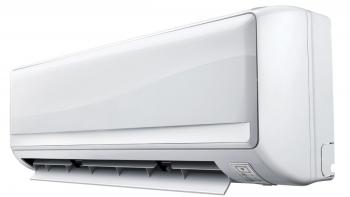
An air conditioner is a delightful appliance. It would take the air conditioner only a few minutes to get the environment cool and comfortable. Aircons are sturdy and built to last. A well-maintained air conditioner should easily last about eight to ten years. Your AC may be working reasonably well, but the quintessential question is – when to replace it? Here’s what you should consider while deciding to replace your old faithful air conditioner. Frequent breakdowns: As the aircon ages, the wear and tear cause parts to start failing. One day it might be a refrigerant leak while another day it could be the worst – a failed compressor. Getting an air conditioner repaired is an expensive affair because the system needs to be dismantled and transported to the service center. There are a lot of costs – the cost of dismantling, cleaning, transportation, repair, part replacement, reinstallation, and finally, gas recharge. The repair cost would easily be in the hundreds of dollars. If such expensive breakdowns become frequent, say once in a year, or so, you may consider exploring the latest products available in the market. Increased electricity bill: With air conditioners, electricity bills are a double-whammy. An aircon loses its efficiency over the years and consumes more energy to cool your surroundings. At the same time, the cost of electricity would increase. We’re looking at a time frame of eight to ten years. Cost of power in the United States has increased by about 10% in the last ten years. To add to that, over these years, advancement in technology would make a newer AC much more power-efficient. When the utility bill starts to hurt your pocket, it is a clear sign that your AC wouldn’t be on that wall for long. Renovation: We all love to see renovated homes with new furnishings. If the area of the room where the AC is to be mounted has increased, it will become a case of an undersized aircon. Inadequate capacity has inherent disadvantages – low cooling and high energy consumption. We are assuming that you would have spent a lot of money to get your home a new look and feel. You should also consider replacing the air conditioners. Repair or replace? This is a topic of debate, and people have varying opinions. For those in favor of repair, it is our opinion that an aircon should be replaced when your technician tells you that the compressor has started failing. The compressor is the heart of the aircon, and if it works well, you can get your unit repaired. There are multiple arguments in favor of replacement – Decreased energy consumption: Energy efficiency requirements and technological advancements make a massive impact on efficiency (EER / SEER). You would save hundreds of dollars in electricity bills annually. If your old aircon is not an inverter-based unit, your savings would be even higher, assuming you buy a star-rated inverter AC. Reduced hassle: Hardly anyone would want aircon repair to be on a half-year checklist. A new air conditioner wouldn’t give you any problems for the first five years. If you are among the unlucky ones, the warranty will take care of the cost of repairs. Convenience: AC manufacturers have a long list of features right from customized airflow to sleep tracking. One area that makes modern aircons wonderful is connectivity. The home is evolving into a smart and connected home. You could buy an aircon that could be controlled through Bluetooth, Wi-Fi, or even voice. All you need to speak is, “Hey Alexa, turn on the air conditioner.” If your aircon does not support these features, there are ample options to have a smart socket or a switch to retrofit a smart solution. Go green: This is an area that should be on the top of the agenda. Aircons require refrigerants called Chlorofluorocarbons (CFCs). These gases deplete the ozone layer. See the Global Cooling prize details to lower the temperature for global warming. Older aircons use gases with a higher Ozone Depletion Potential (ODP). If people replace their systems with newer units, they will save a lot of carbon emission due to reduced energy consumption and protect the environment due to more modern refrigerants with low ODP. Type of air conditioning systems While the type of air conditioning system demands equal attention, we have placed it at the end so you could learn about the factors you must consider. We have a dedicated article on types of air conditioning systems, but we’ll sum it up here. Most homes use one of the three types of aircons Window AC Single Unit Split AC Multiple Unit Split AC Window AC is a standalone unit and hardly requires too much attention. All you need to know is the dimension of your window, and you should be good to go shopping. Single unit split AC uses an indoor unit (evaporator) that has a dedicated outdoor unit (condenser). The complete system would need to be replaced if you decide to purchase a brand-new AC. Even if you have the option of replacing one unit, do not go for it. As the systems age, it gets harder to find replacement parts. Multiple units split AC uses a single outdoor unit (condenser) for multiple indoor units (evaporator). Basis the size of your house and the requirement, there may be as many as five indoor units connected to one outdoor unit. In this case, the decision to purchase a new air conditioner becomes tougher because units do not fail simultaneously. You may have some indoor units working very well because of lower use and proper maintenance, while the compressor of the system may be struggling to drive those units. The repair vs. replace debate becomes intense here because the replacement cost is very high. In this case, you could go for a compressor replacement, if the cost of a brand-new system is not justified. We hope you now have a deep understanding of when to replace an air conditioner. Go through our other interesting articles for even more detail. If you are in Singapore,
How do I know The Power Consumption Needed By The Aircon?
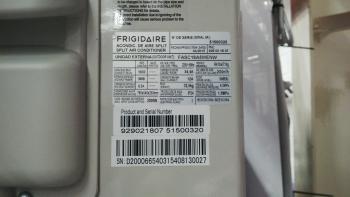
No doubt, determining how much power capacity needed by air conditioners is not an easy task. As aircon servicing Singapore Company reveals that it depends on several factors that include age of the unit, its model and size, and the characteristics of your home. Additionally, you ought to research how many watts an AC uses and then find out the usage of your home AC! But, remember that that number is just only going to be a rough estimation. According to aircon service /maintenance/ installation companies, central AC draws extra power each time it turns on, and you can’t tell how efficiently an air conditioning system is working! And, the most important thing is AC unit maintenance and regular aircon servicing; you can hire an expert from aircon servicing Singapore company at affordable rates! Read on to get a rough idea about how much power an AC uses! How Much Power An AC Uses: According to the company of aircon service Singapore, these are just rough estimations: Central A/C uses about 3500 Watts Central Air Conditioner Fan Only – Compressor Off – uses750 Watts Largest Window Units uses 1440 Watts Medium Window Unit uses 900 Watts Smallest Window Unit uses 500 Watts Optimistic studies show that the power consumption of an AC is figured out by two factors known as Runtime, or compressor speed. When it comes to the case of a non-inverter speed unit, the unit shuts off when the desired temperature is achieved, and its compressor speed remains the same at all times. If you want to estimate the power consumption of a non-inverter AC, then you ought to multiply its wattage by the unit’s runtime. If you want to estimate the average power consumption of an inverter AC, then you ought to plug it into an energy use meter. What Affects How Much Power an Air Conditioner Uses: Cost To Run An AC: Keep in mind, your monthly power bill directly depends on the local rates, but the experts of the aircon servicing Singapore company say that there are a couple of ways to calculate your costs. According to the company of aircon servicing Singapore, the average homeowner spends about $1,000 annually on heating and cooling costs, or around 50% of their total energy bills. In a warm country like Singapore, cooling can account for as much as 70% of your summer electric bills. No doubt, this adds up to a big chunk of money, so it’s smart to think about ways to conserve energy Choosing an Air Conditioner – Rather than getting an AC that is based on wattage, you ought to choose the unit, which is right for the size of the space you need to cool. The aircon installation company of Singapore recommended buying an inverter AC technology to keep your space comfortable. Keep in mind, over-sizing the unit is something that keeps it from operating at peak efficiency – this air conditioner system cools your home too fast and leaving excess humidity in the air. Additionally, you can hire a professional from aircon servicing Singapore company to aircon repair/servicing/maintenance and installation. And, remember that once you get the right size of an AC unit for your space, you can see able to take a look at the energy efficiency and other features. Conserving Power With an AC: Optimistic studies reveal that an AC efficiency is shown by the Seasonal Energy Efficiency Ratio or SEER. Remember that the higher the number, the more efficiently a unit is designed to operate. Additionally, central AC can earn the Energy Star designation, a label that isn’t available for room size AC units. No doubt, there is a long warm season in Singapore, so you ought to purchase the highest efficiency level AC unit that you can readily afford. Once you have invested in the right air conditioner unit, then you have to keep the unit running its best, which means it needs regular aircon servicing. You have to make a call an expert for annual service checks, and there is a need to changing the filters regularly and keeping the outside unit clear of debris. If you are in Singapore, then you can hire experts from the MCL Aircon, reliable aircon service Singapore company. Yes, the company provides legitimate packages on aircon servicing/ installation/ repairing/ replacing and much more! Please read here on our top 5 reliable and best aircon service providers list in Singapore and also our top choice. We are open 24 hrs a day and at your service for urgent aircon servicing in Singapore. Book General Aircon Servicing with us now or call / Whatsapp us @ +65 9450 9801 for arranging aircon servicing for your home.
Know Everything About Global Cooling Prize Competition in 10 Minute read
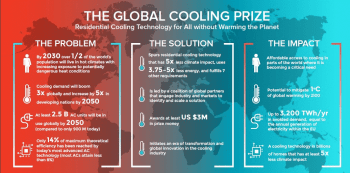
We all agree that the world temperature is rising rapidly. As a result, even the coldest places on earth are suffering due to temperature increase. ESRL research has shown that during the last 800000 years, the earth has maintained the record of being in 180-280 PPM CO2. But the industrial revolution had put a very bad effect on the earth. Today’s CO2 rate of increase is more than 100 times faster than the increase that occurred when the last ice age ended. CO2 in the Earth Atmosphere has touched a new milestone of 400 PPM, which is very dangerous. Most of the human inventions like cars, vehicles, industries, chemicals, fertilizers, air pollutants, etc are mutually responsible for the disaster of climate change. But our Residential cooling aircon also tops in this list. To stop this rapid change, A global cooling price competition has been started to get some reliable solutions to counter this climate change done by excessive use of Air conditioners. MCL Aircon, An Aircon Service Singapore company has briefly described every detail of this competition below: 1. How the Global Cooling Prize started? Global cooling Prize is an “innovation competition” where applicants from all around the web are invited to invent something that can minimize the effect produced by Residential Aircons. The cooling prize has been started with the idea of getting an environment-friendly solution for residential cooling problems. A study shows that there will be an approx increase in the Aircon demand from 1.2 billion(current) to 4.5 billion by 2050. This is a big threat to nature due to rapid climate change results. The Indian Ministry of science and technology with the contribution of Rocky Mountain Institute (RMI); Mission Innovation; has started this competition. Many world-famous publications like Sidney E Frank, Tomkat Foundation, Argosy Foundation, The Lemelson Foundation and so on are sponsoring this prize. 2. Aim of Global Cooling Prize The Ultimate Aim of the Global Cooling prize competition is to get an eco-friendly solution to the cooling requirements of the world population. The main Aim of This prize is to get a solution that will have at least five times (5X) less climate impact than standard Residential/ Room Air Conditioners (RAC) units currently available in the market. The organization has estimated that this could prevent up to 100 gigatons (GT) of CO2-equivalent emissions by 2050. This will reduce 0.5˚C of global temperature by the year 2100, which will be a huge accomplishment that is achievable with this simple step. 3. Countries and Institutions involved in Global Cooling Prize Photo credit: Globalcoolingprize The Global Cooling Prize is initiated by the Rocky Mountain Institute (RMI), Mission Innovation and the Department of Science and Technology, Government of India. The global cooling prize event is being supported by many large coalitions of partners. This Competition was first launched in November 2018, from then more than 2000 applicants have registered themselves. Many research institutes, startup managers, Universities, Ac manufacturers from all over the world have shown their interest in this competition. Out of these registered participants, 445 teams submitted their “main ideas and interests” in the application form. A large number of 139 teams from 31 countries have also submitted a detailed answer on how they will be able to achieve the desired results. 4. Global Cooling Prize History The first inauguration of the Global Cooling Prize Competition was done in November 2018 in India by Union Minister of Science and Technology and Earth Sciences, Dr. Harsh Vardhan along with The Rocky Mountains Institute. This award carries a total price of $3 million. Dr. Harsh Vardhan stated that big and joint efforts should be made to tackle down this increasing temperature of the earth due to Aircons. He also stated that the risk from Air conditioner increases due to the negligence of people. They do not bother to do the proper maintenance and care of Air conditioners. This makes the situation worse. Aircons increases the harmful impacts on climate due to improper care. MCL Aircon, an Aircon servicing Singapore company has published the article on necessity of Aircon Service at home. The key highlights of this event ware: This summit was the first of its kind to find an alternative or solution to Residential Air conditions. The event was organized by the cooperation of the Department of Science and Technology along with well known, Rocky Mountain Institute, Alliance for an Energy-efficient Economy (AEEE), CEPT University and Conservation X Lab. The Global Cooling Price was launched in this event. A total Price of $3 million will be awarded. $1 million will be awarded to the winner. $2 Million will be paid to 10 finalists for their research in creating the prototype. 5. Global cooling prize Amount The Global Cooling Prize carries an award total of $3 million. Not only this, 10 short-listed technologies will be awarded up to $200,000 each in intermediate prizes to support the design and development of their innovative solution to residential aircon. The winning team will be awarded $1 million to support its incubation and early-stage commercialization. Any kind of Expert support, technical, non-technical will be also provided by the global cooling experts. The Global Cooling Prize will shine a spotlight on the need for innovation and help create an environment where innovation can succeed, making it a perfect time for those with new technologies to challenge the status quo. It has the opportunity to seize a US$20 billion market and transform the global AC market for the better,” said Iain Campbell, Senior Fellow, Rocky Mountain Institute. 6. Predefined Goals for Applicants The global cooling prize is not as simple as you may think. There are Predefined goals that you must achieve to be in this competition and later get this prestigious award and its price along with the global apprehension for your invention. To qualify for the competition, several rules and goals are set by the managing authority(Judges) listed below: The solution must have (5X) five times less climate impact. The actual final cost should not be more than twice the baseline unit cost. The power consumption limit has been set up not more than 700 W at full speed. Water consumption should not be more than 14 liters per day if needed. There should be zero onsite emissions from any fossil fuel-based captive power source Zero ozone-depleting potential (ODP)